How to Build a Resume
A practical, step-by-step guide to building a resume that stands out to local employers and passes applicant tracking systems.
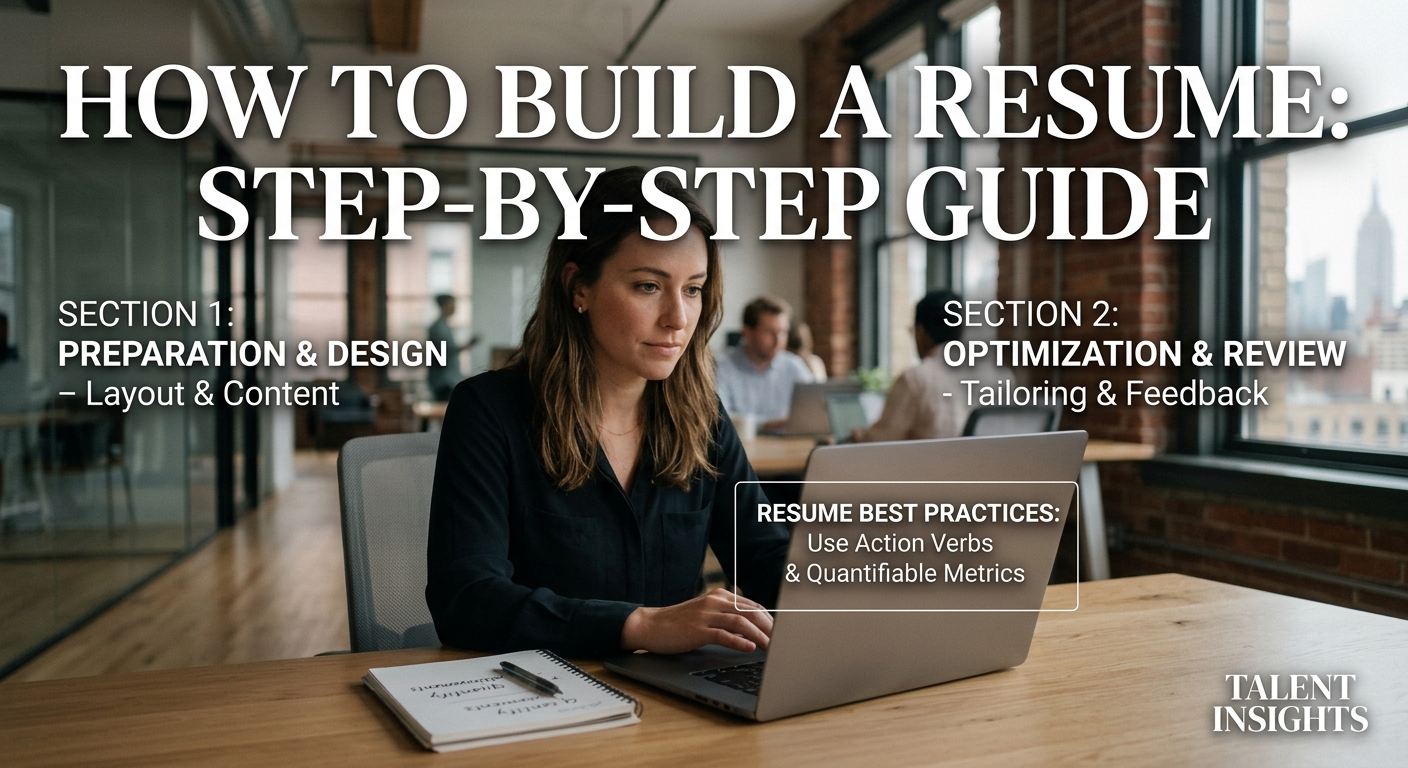
How to Build a Resume That Actually Gets You Hired Locally
Your resume has one job: get you a conversation. It is the first introduction and the first step in applying for a job. Once you treat it that way, the whole process gets a lot less intimidating.
Whether you're applying to a neighborhood restaurant, a local nonprofit, or a growing small business down the street, the fundamentals are the same. Here's how to put together a resume that gets read, gets remembered, and gets you the callback.
Start With a Clear, Honest Summary
Skip the objective statements that are vague or simple. Nobody reads them, and they don't tell an employer anything useful or specific about you.
Instead, write two or three sentences that answer:
- Who are you professionally?
- What are you good at?
- What kind of role are you looking for?
Be specific, you want to stand out and show off your skills. Don't brag or over exaggerate, but be honest in what you've done and where you can grow.
That's it. Clear, specific, and easy to skim in five seconds. That's how long it takes to make a first impression.
Lead With Experience That Matters
Local employers care less about prestige and more about whether you can actually do the job well. When listing your work history:
- Put your most recent or most relevant job first.-You want to show your most similar experiences and how they made you qualified.
- Use action verbs — "managed," "trained," "resolved," "organized" — instead of passive phrases like "was responsible for."-This is more direct and specific as to what you actually did in your position. It goes beyond a vague title or umbrella term.
- Quantify results wherever you can. "Increased weekend sales by 15%" is more convincing than "helped with sales."- Be specific as to how you impacted your last position.
- Keep each bullet point to one line if possible. Two lines max.
If you're early in your career or switching industries, don't panic. Volunteer work, school projects, and part-time gigs all count as experience if they show real responsibility. Anything where you learned or used an essential skill.
##
Tailor It for Every Application
This is the step most people skip, and it's the one that matters most. A resume tailored to a specific job consistently outperforms a generic one sent everywhere. Even taking an extra five minutes to highlight your experiences that are beneficial for the position improve your resume.
Before you apply, ask yourself:
- Does my summary reflect what this specific employer is looking for?
- Are the most relevant parts of my experience near the top?
- Did I remove anything that doesn't support this particular application?
You don't need to rewrite the whole document each time. Start with a basic standard outline for your resume and each position add detail and highlight the essential areas.
Proofread Like It Matters — Because It Does
Typos and formatting slips are one of the fastest ways to get passed over, especially for roles where attention to detail is part of the job. Read your resume out loud, ask a friend to review it, or set it aside overnight and come back with fresh eyes. Make sure it's readable and each section and detail is clear.
The Bottom Line
A great resume isn't the longest or the flashiest one in the pile — it's the clearest. Show up with a document that respects the reader's time, highlights real results, and speaks directly to the job you want. That's what turns an application into an interview. The resume is how you get your foot in the door and give a short but lasting impression of yourself.

Comments
No comments yet.