Landing Your First Job: How to Build Experience Before You've Ever Had One
A practical guide for first-time job seekers on building real experience, standing out with no work history, and thriving in your first role.
Every job seems to want experience, but everyone has to start somewhere. If you're applying for your very first job, whether you're a student, a recent graduate, or just entering the workforce for the first time, it can feel like the odds are stacked against you before you even submit an application.
The truth is, local employers hire first-time workers all the time. What they're looking for isn't a long resume — it's proof that you're reliable, coachable, and ready to show up. Here's how to build that proof, land the role, and set yourself up to succeed once you're in it.
You Have More Experience Than You Think
Before your first paycheck, "experience" can come from a lot of places employers actually value:
- School clubs, sports teams, or student government.-These all show leadership and dedication.
- Babysitting, pet sitting, or yard work for neighbors.-These all show signs of responsibility and self management.
- Group projects or presentations in class.-Show team work and people skills.
- Volunteering at a community event, food drive, or place of worship.-Shows dedication and pursuit of passion.
- Helping out at a family member's shop or small business.-While not getting paid shows you can handle similar work.
If you showed up on time, worked with other people, handled a responsibility, or solved a problem, that's real experience.
Build a Little Experience Before You Apply
If you have a few weeks before you plan to start applying, use that time to add a little more to your story:
- Volunteer somewhere local. A few shifts at a food bank, animal shelter, or community event gives you something concrete to talk about.
- Take on a small task for someone you know. Helping a neighbor organize a garage, run errands, or manage a small project counts.
- Get a certification if your target field has one. Food handling, CPR, or basic software certifications are often free or low-cost and show initiative.
- Practice describing what you did. Even small tasks sound stronger when you can explain what you were responsible for and how it went.
All of these are great ways to build skills and show employers what areas you excel in. Even without having a real job.
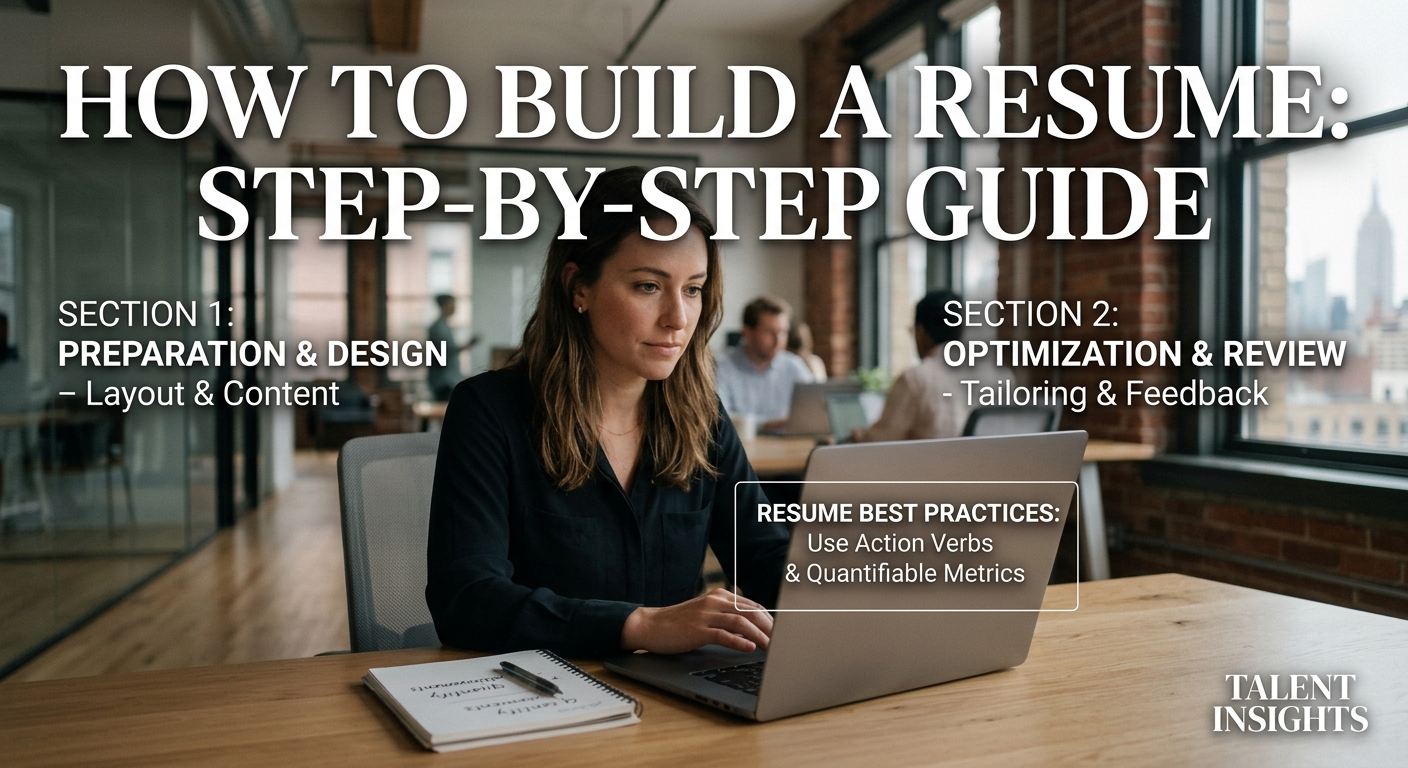
What to Put on a First Resume
A first resume doesn't need to be long — it needs to be honest and specific. Focus on:
- Availability. Local employers often care as much about your schedule as your background. They need to know when you'll actually be available, it's important to be honest because if you drop shifts or schedule other commitments it shows you aren't dedicated to your responsibilities.
- Reliability. Mention anything that shows up-on-time habits: attendance, punctuality, consistent commitments. Show them you are dedicated and are able to manage your time and responsibilities.
- Transferable skills. Communication, teamwork, organization, and customer-facing experience all count, even from non-job settings.
You don't need to stretch the truth or pad the page. A clean, honest one-page resume almost always beats a vague or exaggerated one.
How to Handle the "Tell Me About Your Experience" Question
This question trips up a lot of first-time applicants, but it doesn't have to. Instead of apologizing for a lack of formal work history, reframe your answer around a specific example:
- Pick one real situation — a group project, a volunteer shift, a time you handled a problem. While not a job it shows a moment you used a lot of similar skills you would have used.
- Briefly explain the situation, what you did, and how it turned out. Have a clear result based on your efforts.
- Connect it back to the job you're applying for. Show what valuable skills you learned or used and how they can be applied to the position.
What to Expect in Your First Weeks on the Job
Once you land the role, there will be challenges and things you will have to learn. A few things that help first-time workers succeed early on:
- Ask questions early. It's far better to ask than to guess and get it wrong.
- Write things down. New instructions and processes are easy to forget in the first week or two.
- Show up a few minutes early, especially in the beginning. It builds trust quickly.
- Be open to feedback. Early corrections aren't criticism of you as a person, they are a way to help you improve.
Most managers expect a learning period. What they remember is whether you were dependable and willing to improve.
The Bottom Line
Your first job doesn't require a long resume. Just showing up prepared, being honest about what you've done, and being ready to learn quickly once you're in. Every experienced worker started exactly where you are now. Focus on what you have done, present it clearly, and the rest builds from there.

Comments
No comments yet.